Mersey Ferries
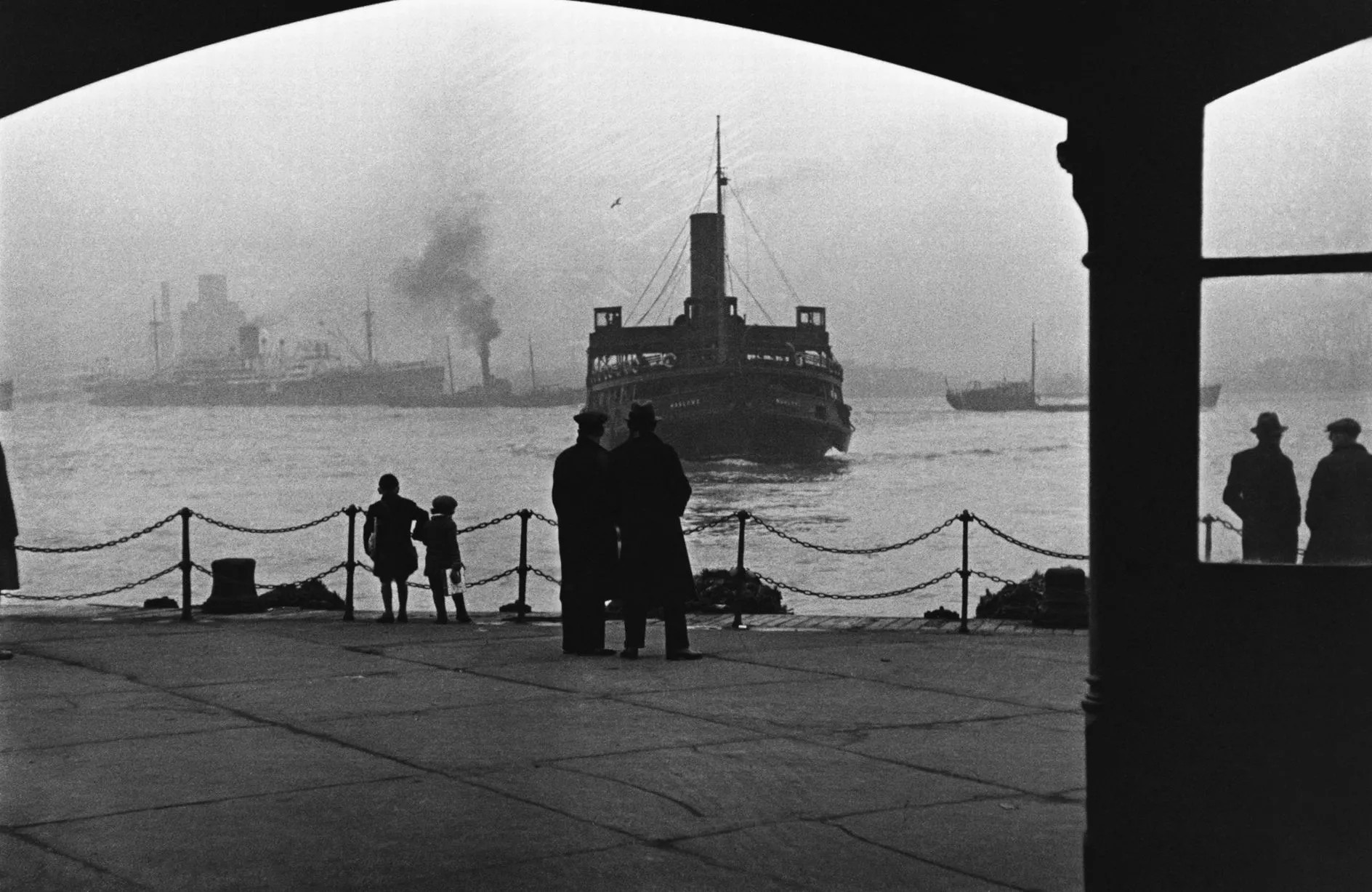
There have been ferries on the Mersey since the 12th century, when monks from the Benedictine Monastery charged passengers a small fee to row them across the river. In the centuries since, the ferries on the Mersey have been witness to and a vital resource for many different war efforts, including World War II.
You can now buy one ticket to include a 50-minute River Explorer Cruise on the iconic Mersey Ferry and a ticket to Western Approaches here. Want to learn more about the role the Mersey ferries had during World War II? We’ve put together a short history with some highlights below.
War is Declared
The day following the declaration of war on September 3rd 1939 this public announcement was published:
NOTICE TO PUBLIC

Woodside Ferry

AIR RAID PRECAUTIONS

Passengers are hereby informed that on an air raid
warning being sounded the Ferries Steamers on
passage or moored at the stages at Birkenhead or
Liverpool will immediately take up position in mid-
river and remain there until after the ‘all-clear’ signal
has been given.

In such circumstances, the passengers are
requested to fit their gas masks and remain quiet
until the steamers are able to return to their
appropriate stage.

4.9.39.                    R.S. Cowan. General Manager
Service as Usual
While the outbreak of war technically brought the ships on the Mersey under the Admiralty, initially there was little impact to the ferry services. The ferries remained operating as normally as possible, until such a time that they were requestioned for use.
The cross-river link itself was vital to the war effort and although it was subject to changes and interruptions by bombings and other war time activities, the ferry service continued to operate all throughout the war years, transporting people and goods across the Mersey.
War Continues
As the war continued some ferry schedules were altered to be less frequent in order to save on fuel. Due to air raids, lights on board were dimmed and sometimes masked completely. Evening traffic was slowed, as people stayed home or indoors. After a daylight air raid on August 31st 1940, all of the boats’ liveries were immediately painted grey.

From the Liverpool Evening Express – Friday 13 October 1939 Hats Off To Ferry Skippers.
THE quiet heroism with which people carry-on their daily jobs in face of difficulties, has always called forth my deep admiration.
The Captains of the Mersey ferry boats are not having an easy time during these black-out nights, yet there they are on duty, manoeuvring their craft across the river, dodging vessels at anchor, and bringing them alongside the landing stages with a skill which to me is amazing.
I know what it is to drive a car in the blackest black-out, but at least it is possible to creep along a roadway in comparative safety with a glimmer of light to guide you, but to cross the Mersey with no lights at all, is a feat of no mean standing and I take off my hat to the Ferry captains for their expert seamanship in eerie surroundings. D.R.
In June 1939 the Upton ran the last service to Rock Ferry. A year later she was requisitioned by the Ministry of War Transport and the Admiralty used her to carry supplies and men to the many anti-aircraft defences in and around Liverpool Bay throughout the war. She would not be the last ferry to be put to use.
“Luggage Boats”
Even after the opening of the Queensway Mersey Tunnel in 1934, certain vehicles and goods were still restricted from using them, which meant that “luggage boats” continued to be run by Mersey ferries. These ferries transported horse-drawn vehicles, steam-powered lorries, livestock, and some vehicles carrying hazardous materials deemed unsafe for the tunnel. This was all in addition to still transporting passengers, travelling on foot and by bicycle.
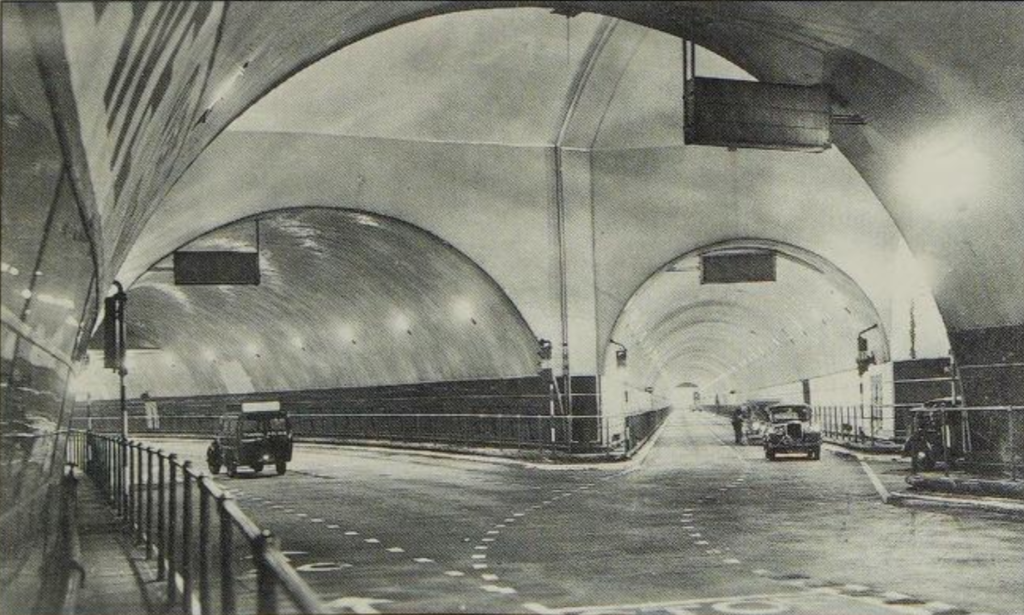
At the peak of the service, there were five boats maintaining it, but by 1938 there was only one remaining vehicular ferry to Birkenhead and its service was suspended in July 1941, after the onset of the war.
No longer being used to transport vehicles, the “luggage boats” Bebington and Oxton were called up for wartime service in 1941 by the Ministry of Shipping for work under control of the Dock Board. They were both fitted with large cranes to assist in the unloading of aircraft and heavy goods being brought into the Mersey through merchant shipping. The aircraft being unloaded were shipped from the United States and once unloaded by the ferries mid-river, they were moved to a landing stage for onward movement to a Government factory in Speke, where they were then assembled and finished.
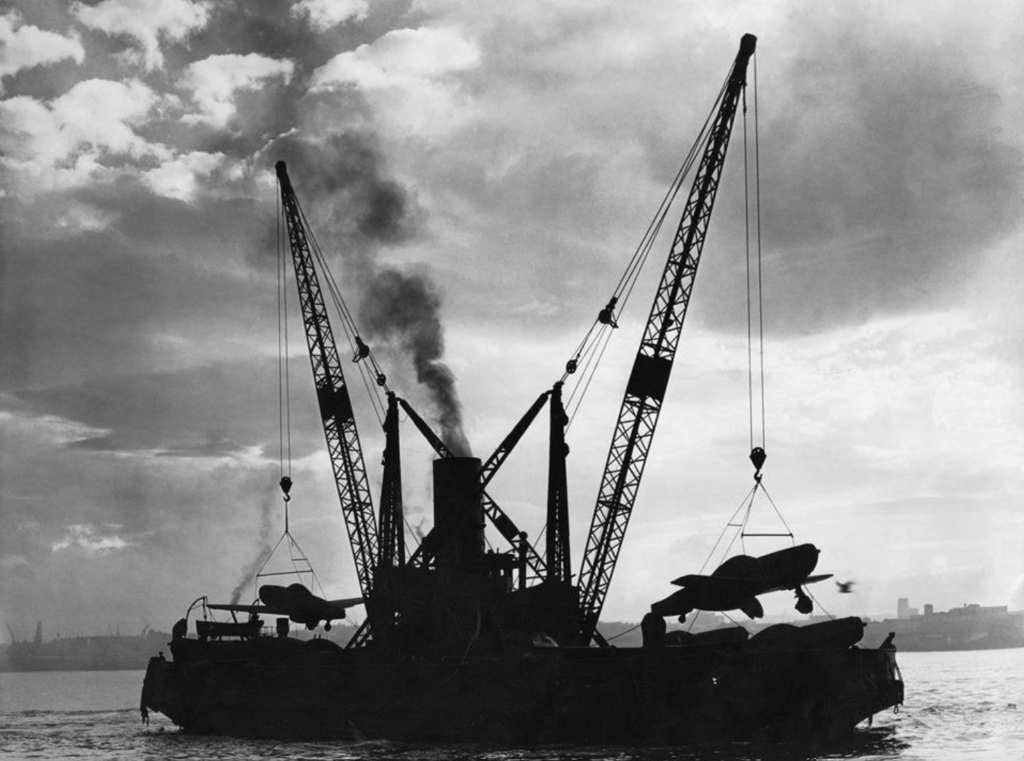
The Liscard was also fitted with a crane, for use by the Admiralty, and used for similar duties. Despite being war work, it was the ferry crews who continued to work these boats and between the three ferries, they put ashore more than 11,000 aircraft for the war effort. Tanks and other vehicles were also brought ashore this way.
Mines in the Mersey
In 1941 ferry services were disrupted when German mines dropped by parachute were spotted in the river, having drifted further in. This required Royal Navy minesweepers to clear the Mersey before normal services could be resumed. Until it was cleared, emergency bus services were put on through the tunnel and more passengers were required to use the rail service.
There were multiple occasions when ferries were hit by bombs, debris, shrapnel, or experienced near misses during the war. In May 1941 the Claughton was blasted by a bomb mid-river, damaging her saloon. The same night, the Bidston was damaged by concrete blasted from the pier head while she was berthed at the Liverpool landing station, her portholes and windows shattered. This was the same location where the ferry Marlowe suffered damage after being struck by a bomb.
The Blitz Bombings
When the war began, the Royal Daffodil II continued to run a ferry service, but also acted as a tender and troopship for the war effort. Like many ships at the time, one duty assigned was to stand by troopships moored in the river, in case of a direct hit by a bomb, which would have required a quick evacuation of the troops.
However, on May 8th 1941 while moored at Seacombe, an air raid blitzed Merseyside again and the Royal Daffodil II was hit directly with a bomb, on her starboard side, causing her to sink. More than a year later in July 1942 she was salvaged, refloated, and fitted out in a more basic manner and returned to ferry service in June 1943.
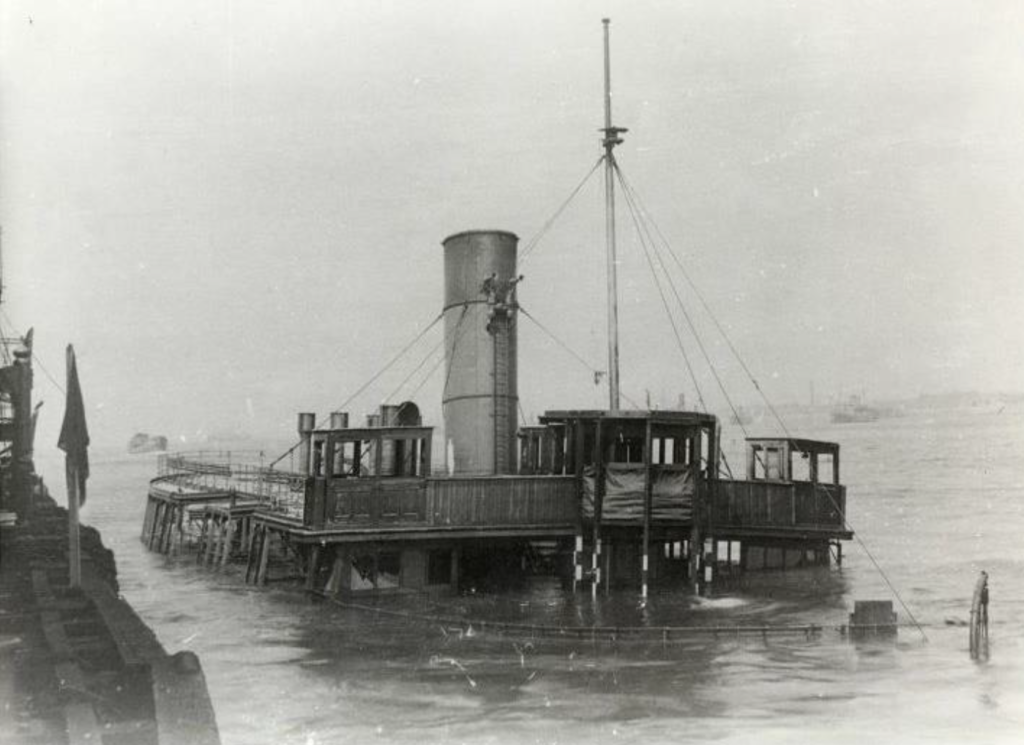
By returning the Royal Daffodil II to ferry service, two older ferries were able to be diverted and used permanently by the Admiralty, the J. Farley and Francis Storey. These ships were still crewed by the ferry staff, under direct control of the Admiralty, installing anti-torpedo nets for Merchant Navy ships using the Western Approaches.
At the Heart of Liverpool
The ferries were also important for leisure during the war. After the end of air raids in early 1942, the Hinderton, when not actively running a ferry or transportation service, also began running cruises. These cruises were part of a government programme for people to ‘Holiday at Home’. Many of these cruises went out into river to see the convoys of merchant ships gathering there.
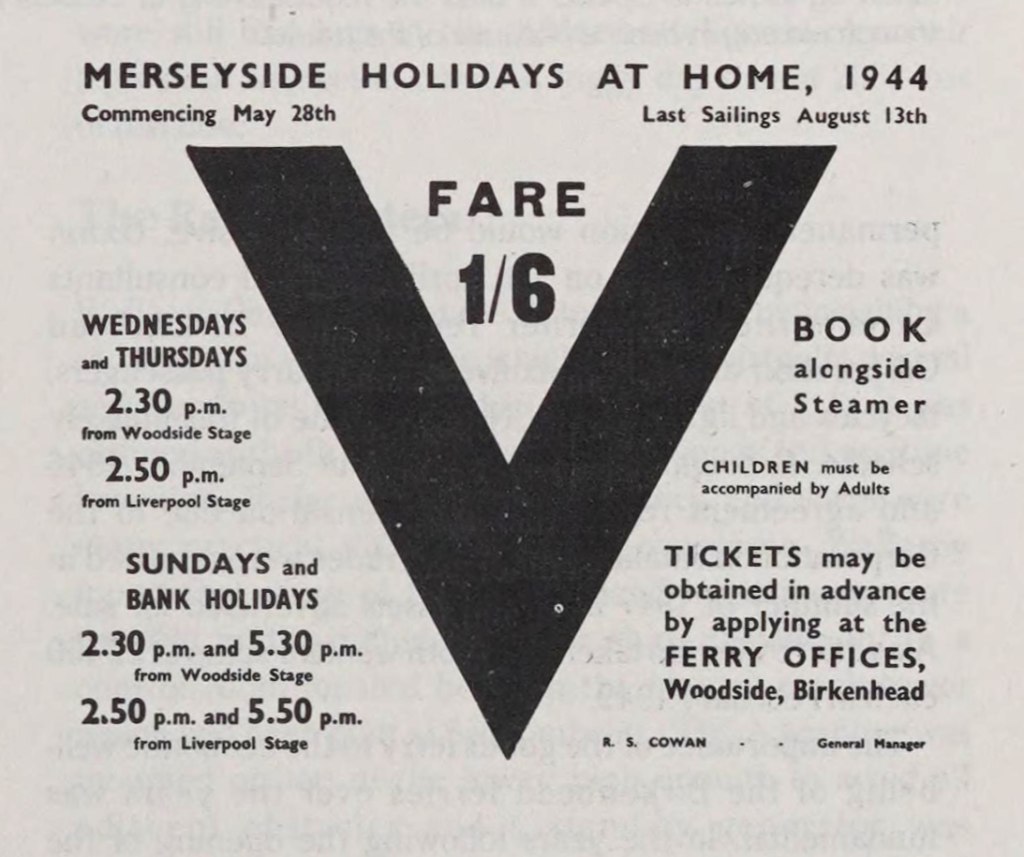
It was also from the deck of the ferries that many people caught the first sight of their family and friends returning from war. There are accounts of people taking ferry rides back and forth across the river on days that ships were due to return to Merseyside with troops, in the hopes they wouldn’t need to wait for them to disembark before being able to set eyes upon their loved ones again.
If you are interested in seeing how the ferry service looked in 1939 at the start of the war, there is footage available on the British Pathé archive here.
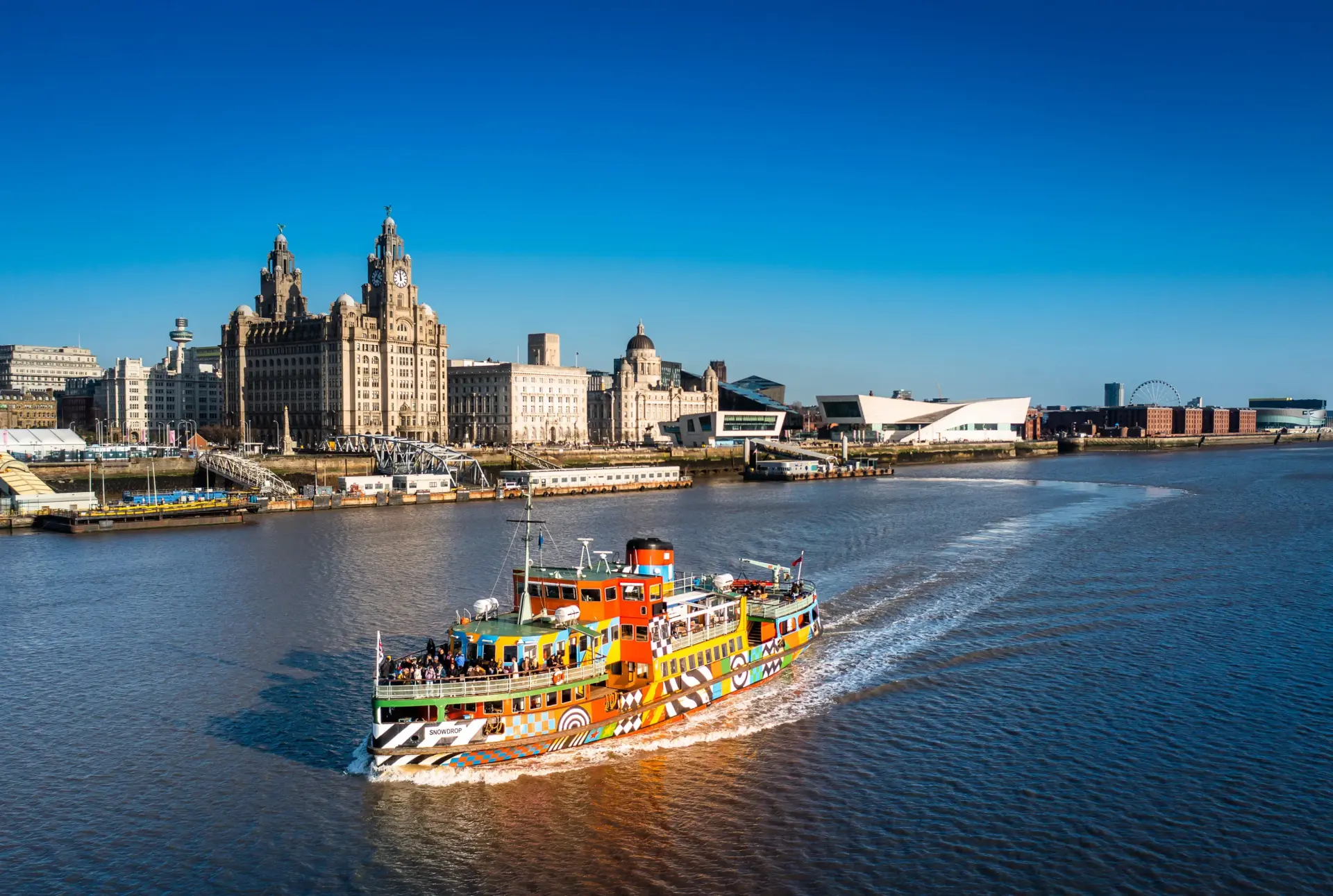
River Cruise & Western Approaches Ticket
Buy one ticket to include a 50-minute River Explorer Cruise on the iconic Mersey Ferry and a ticket to Western Approaches here